
Wood Fillers


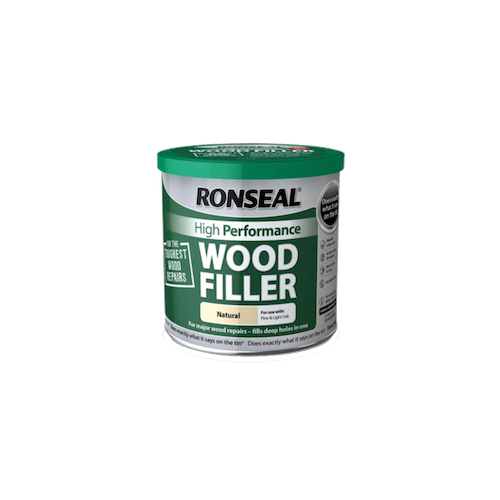


Professional wood preparation is all about managing surface defects before the first coat of paint ever touches the timber. Whether it’s masking nail holes in new joinery, flush-filling cracks in skirting, or stabilising weathered window frames, the goal is always a surface that won't flash, sink, or telegraph through the finish. The correct filler choice is dictated by the depth of the void and the environmental exposure the timber will face.
What Decorators Look for in a Wood Filler
For professional results, the filler needs to do more than just fill. It needs to behave well through the whole process, from application to topcoat.
Sandability is the main one. A filler that dries too hard takes excessive effort to key back. One that stays soft tears under the paper. The best products sand cleanly to a flush surface without loading the abrasive.
Adhesion under paint matters just as much. Some fillers absorb paint unevenly, leaving a visible patch even after two coats. A quality wood filler will accept primer and topcoat without flashing or sinking.
Open time is worth considering on larger repairs. A filler that skins over quickly can be difficult to feather at the edges, which shows up under a gloss or satin finish.
Interior vs Exterior
|
Feature |
Interior Wood Filler |
Outdoor Wood Filler |
|
Base |
Water-based |
Water or solvent-based |
|
Flexibility |
Low to medium |
Higher, moves with timber |
|
Finish |
Fine, paintable |
Paintable, weather-resistant |
|
Best for |
Joinery, floors, furniture |
Frames, cills, fascias |
|
Sandability |
Excellent |
Good |
Common Uses
- Filling nail holes and minor surface defects before painting
- Repairing cracks in skirting boards, architraves, and door frames
- Patching damaged areas on furniture before repainting
- Filling open grain and shallow voids before a fine finish topcoat
- Preparing exterior timber surfaces ahead of repainting
Applying Filler for a Paint-Ready Surface
Slightly overfill the repair and allow it to dry fully before sanding. On deeper fills, apply in two stages rather than one thick application, as thick layers can shrink or crack as moisture escapes. Once sanded flush, spot prime before applying your topcoat. This prevents the filler from absorbing paint at a different rate to the surrounding timber and showing through the finish.
For perimeter joints and gaps, ensure you use the correct fillers and sealants to maintain flexibility. Explore more professional coatings and supplies at Paintlab.
Frequently Asked Questions

