
Filler Mixing Bowls
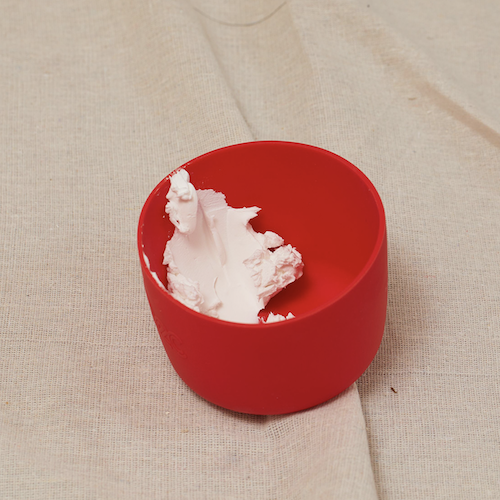


When You Need a Filler Mixing Bowl
A filler mixing bowl is part of any surface preparation job before painting. Without the right container, getting a smooth, lump-free mix is harder than it needs to be. Poor workability at the mixing stage affects the final result on the substrate — cracks, shrinkage and uneven texture usually start here.
Common situations where a filler mixing bowl is essential:
- Filling cracks and holes in plaster or drywall before painting
- Patching damaged surfaces after removing fixtures or fittings
- Skim coating walls for a smooth finish ahead of decoration
- Mixing render or jointing compound for larger repairs
- Touch-ups between coats where small batches need quick preparation
For the compounds that go into the bowl, the ready mixed fillers range covers everything from fine surface fillers to heavy-duty repair compounds.
What to Look for in a Filler Mixing Bowl
Not every mixing bowl performs the same way on a prep job. These are the details worth checking before you buy:
- Material. Rubber and flexible plastic release dried filler cleanly when the sides are flexed. Rigid containers require soaking between batches, which slows the job.
- Size. Match the bowl to the scale of the job. A small bowl suits fine touch-ups where setting time is tight. A medium bowl covers most standard patching work.
- Base stability. A wide, stable base doesn't tip when you're loading a filling knife one-handed.
- Interior surface. A smooth interior scrapes clean in one pass. Textured or ribbed interiors hold dried compound in the grooves.
- Solvent resistance. If you're working with solvent-based compounds, check the bowl material holds up without degrading.
|
Bowl size |
Best for |
|
Small |
Fine repairs, touch-ups, tight areas |
|
Medium |
Standard patching and wall prep |
|
Large |
Bigger surface repairs, mixing full batches |
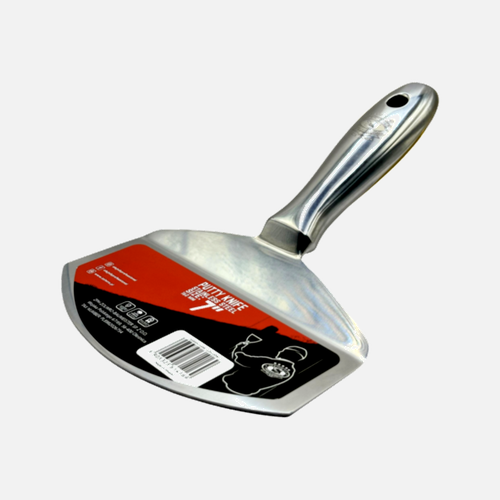
For professional application directly from a larger container, stainless steel mud pans and bucket scoops are also available in the range.
Why Buy from Paintlab
At Paintlab, we stock filler mixing bowls as part of a complete prep toolkit. Whether you are patching walls before a repaint or working through a full surface preparation job, you will find everything in one place. The range includes filling knives and blades alongside compounds, abrasives and everything else a decorator needs at the prep stage. Every product is chosen based on how it performs on site, not just on price.
Frequently Asked Questions

