
Crack Tapes

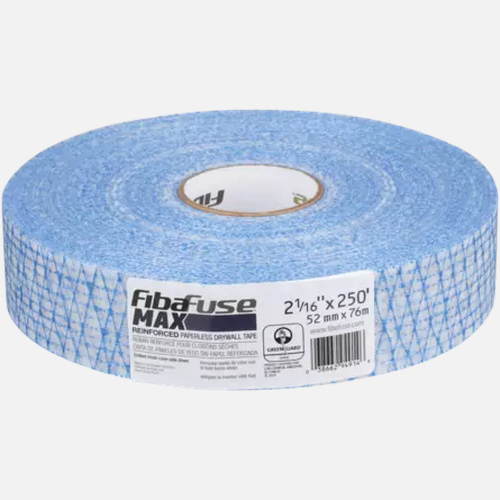


When You Need Crack Tapes
Cracks in plaster, drywall and ceilings are one of the most common prep challenges before painting. Filling alone rarely holds — without reinforcement, cracks reappear through the finished coat within months. Crack tapes bridge the gap between filler and substrate, giving the repair something to bond to and preventing the crack from reopening under movement or settlement.
Common situations where crack tapes are essential:
- Hairline cracks in plastered walls before repainting
- Stress cracks at ceiling and wall junctions
- Drywall joints that have opened or lifted
- Settlement cracks appearing after building movement
- Repairs around door frames and window reveals
For the compounds that go into the repair, the fillers and sealants range covers everything from fine surface fillers to heavy-duty repair compounds.
Types of Crack Tapes
Not every crack tape suits every job. The material and construction determines how it performs on different surfaces and under different conditions.
|
Type |
Best for |
|
Scrim tape (fibreglass mesh) |
General crack repair on plaster and drywall, self-adhesive, easy to embed in compound |
|
Reinforced drywall crack tape |
High-stress joints and corners, stronger tensile strength than standard paper tape |
|
Paper jointing tape |
Drywall joints and seams, feathers cleanly under skim coat |
Each type requires filler or joint compound over the top. The tape reinforces the repair, it doesn't replace the filling stage.
What to Look for in Crack Tapes
Two rolls of crack tapes at the same price can perform very differently on a prep job. These are the details worth checking:
- Width. Standard widths run from 48 mm to 52 mm. Wider tape covers more of the crack and gives stronger adhesion on either side of the substrate.
- Length. Longer rolls reduce waste on bigger jobs. Check the roll length before ordering if you're covering a large area.
- Self-adhesive vs non-adhesive. Self-adhesive scrim tape positions faster and holds in place while you apply filler. Non-adhesive paper tape requires a compound underneath to bed it in.
- Mesh vs solid. Fibreglass mesh allows filler to key through the weave for a stronger bond. Solid paper tape feathers more smoothly under a skim coat.
Once the repair is filled and dry, surface preparation continues with abrasive sanding discs to feather the edges before painting.
Why Buy from Paintlab
At Paintlab, we stock crack tapes as part of a complete surface preparation range. Whether you need ceiling crack tape for stress cracks overhead, drywall crack tape for jointing work, or general scrim tape for plaster repairs, you will find everything in one place. Every product is chosen based on how it performs on site, not just on price. Contact us before you order if you need advice on the right tape for your job.
Frequently Asked Questions

